How I Accidentally Gave a 5-Hour Security Masterclass for Crypto Traders
- 1 min read
It all started with a message from a friend: “They’re looking for an information security specialist for a masterclass.” I wrote to the organizer.
 Nikita Aull
It all started with a message from a friend: “They’re looking for an information security specialist for a masterclass.” I wrote to the organizer.
Nasty weather all weekend, so here’s the second book of the week :) My colleague and I often argue about readability, cleanliness, and expressiveness of code. I write code so that even without knowing the language, but knowing English, a person could read and understand what I meant. My colleague calls this dirty, verbose, inexpressive code. Yet when he writes something in Python or bash, I can’t even parse a code block without an explanatory brigade.
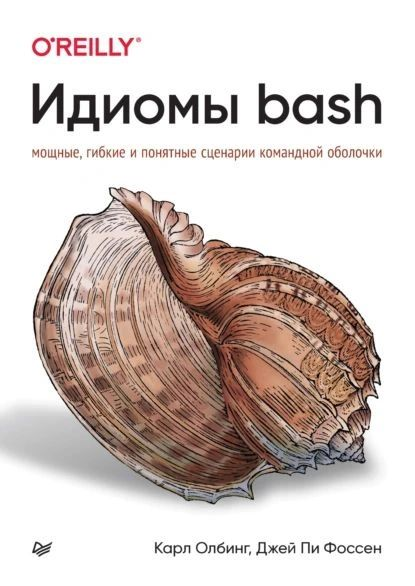
Honestly, this doesn’t feel like a real book, but I enjoyed reading it. It’s a collection of articles from Xakep magazine on the topic of artificial intelligence. Why doesn’t it feel like a book? There’s no common thread besides the topic. And the title doesn’t fully reflect the content. Out of 8 articles in this collection, only 5 match the title, talking about using AI capabilities for hacking. The other 3 articles are just about AI.
The worst book of the week :) The book starts with a gloomy litany of terms and international standards that were machine-translated without proofreading for grammar or gender agreement. Sometimes it’s physically painful to read :)

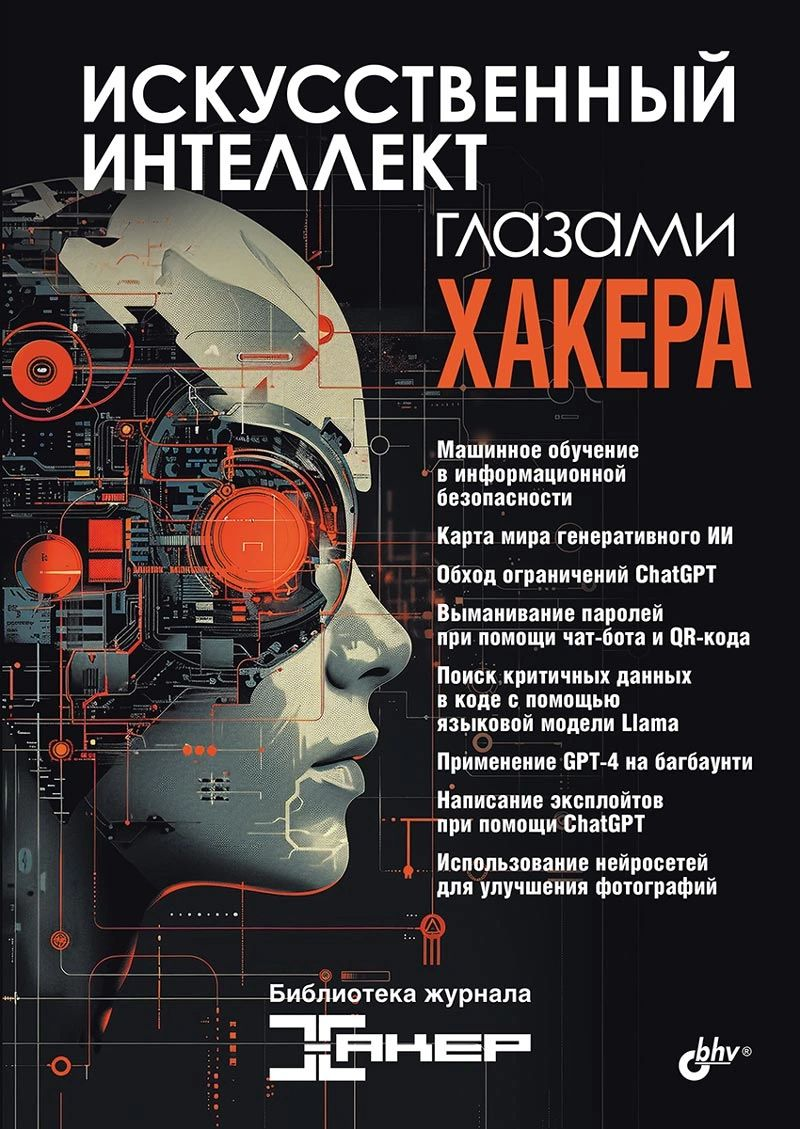
With a title like that, I expected a desktop reference packed with bash lifehacks, but no :) The author explains simple concepts in a complex and verbose way. Even knowing how to use the described tools and using them every day, I struggled to get through the author’s thickets of explanations.
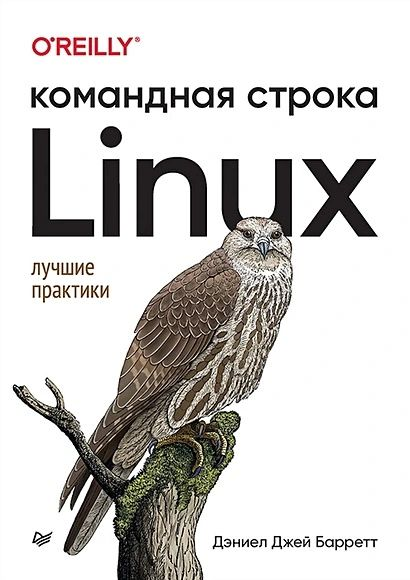
Really enjoyed this book, especially in contrast with the OSINT Handbook (Dale Meredith). No boasting, no showing off anyone’s professionalism. The author struck me as a humble, respectful, and thoughtful person.

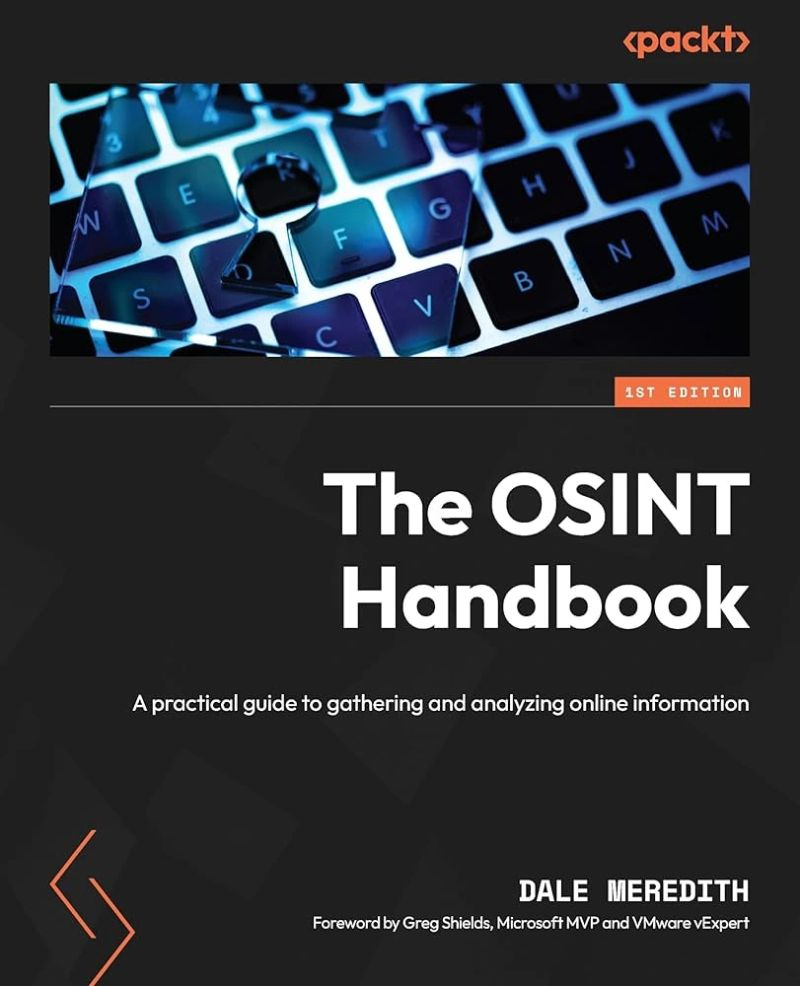
Read the book “The OSINT Handbook” by Dale Meredith. I should note that I read the Russian translation, so the localization team might have contributed their own flavor. For building a general understanding of OSINT as a phenomenon, it’ll do. The title, in my opinion, is too bold to call it a “handbook.”
A couple of years ago, while developing our main services and infrastructure monitoring services, I wanted to receive Telegram notifications about important events in the systems. I tried a few popular libraries for sending messages via Telegram, but they didn’t suit me. Some didn’t work at all, some were too heavy. And I decided to just throw together a minimalist script for sending text messages and files. I kept thinking about publishing a lightweight library based on this script. And today, on my day off, I decided to close this issue :)
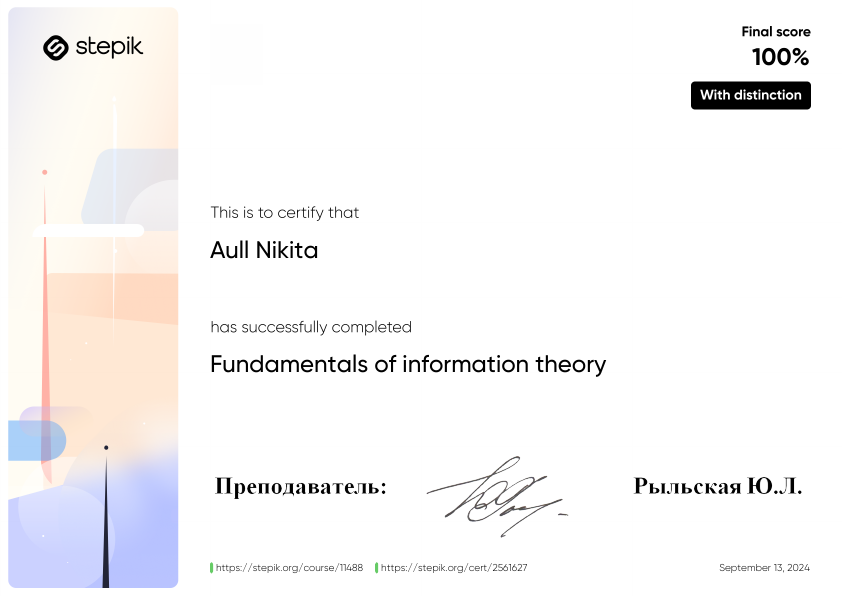
Completed the course “Fundamentals of Information Theory” on Stepik. Enjoyed the course, but for a deeper dive and better understanding of the topic, it’s recommended to read the book “Code” by Charles Petzold.
Completed a mini-course on Stepik: Fundamentals of Network Technologies and Cryptographic Protection. The cryptography section was interesting to read, brought back memories of my university days :) It turned out to be a cheat sheet of key terms and types of encryption. There’s no particular depth, but it’s written in dry scientific language. If you don’t know what it’s about, you can get lost in the terminology. About network technologies, it’s very meager. The OSI model, TCP/IP, and a large block with instructions on how to set up a network on a user’s Windows. The style changes from dry scientific to instructions for housewives.
I completed the course “Linux Operating System Administration” on Stepik. It’s a very small, “dry” course for beginners. Only the following topics are covered: navigating directories, creating / deleting files and directories, connecting via ssh. The following topics are not really touched upon: working with users and permissions, working with processes and daemons, working with network settings and security.
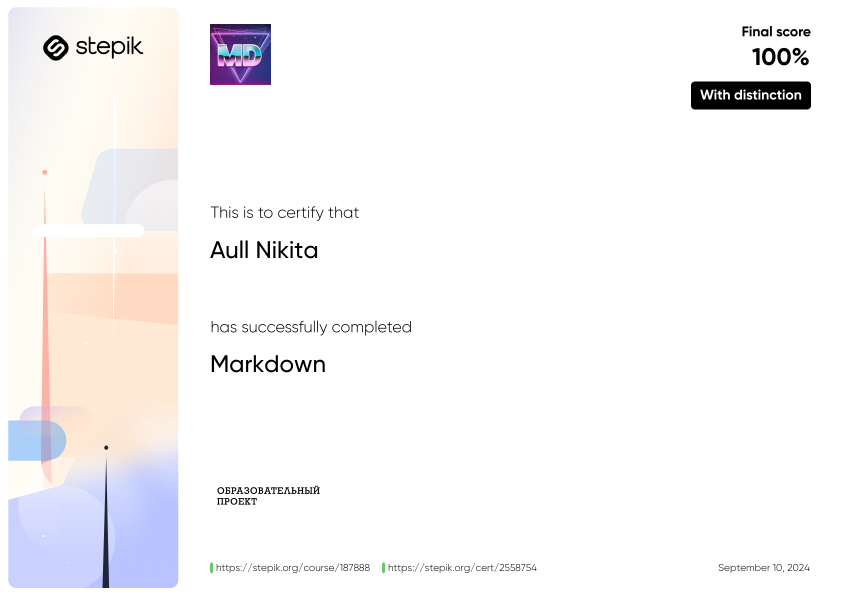
I was advised to check out the courses on Stepik. I selected 100 courses for myself. Started small, brushed up on Markdown :)
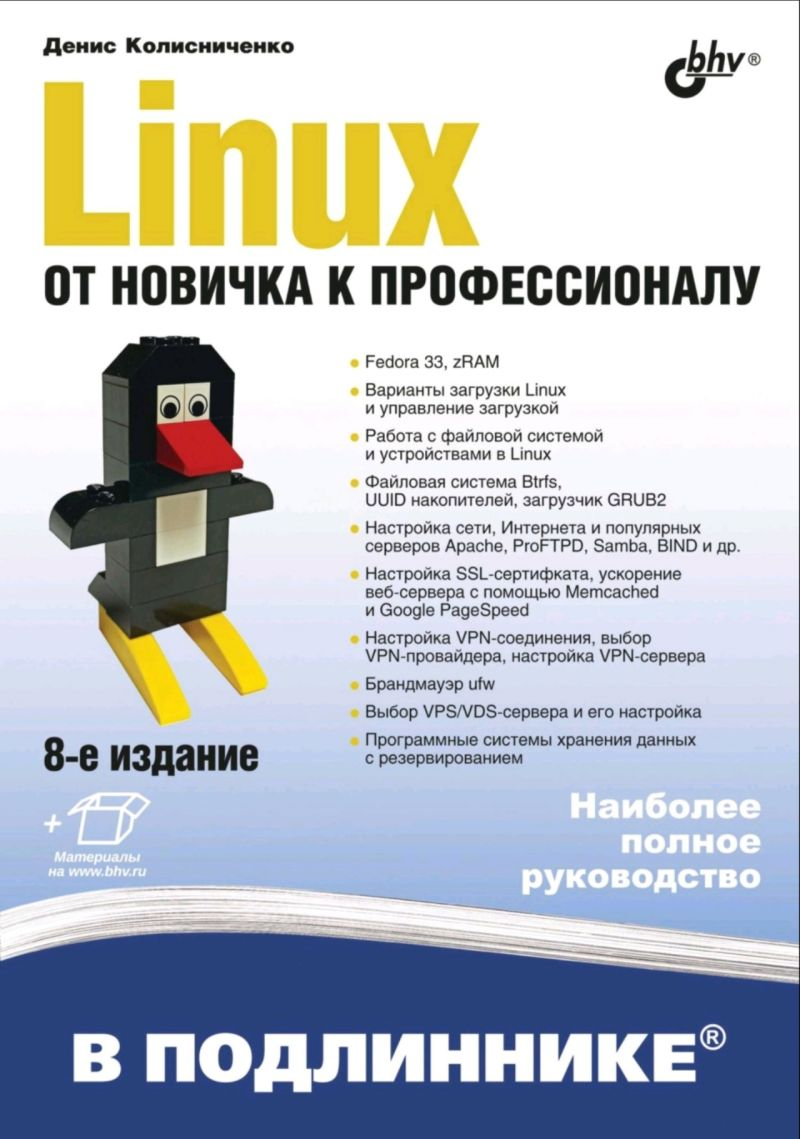
A decent overview book for beginners. I picked up a few interesting things and made about a page of notes. If you already have Linux experience, it won’t be as exciting to read, but it does put some order in your head.
A pleasant journey into the history of the birth of technologies that together gave us the modern world of semiconductors, communications, computers, software. Although I know almost all of these events separately, I even observed some of them personally, it was very interesting to read this book. I recommend.